Consult a Doctor Online
Free follow-up For 5 Days

Get a Valid Prescription

Consult Now

Select Your Speciality

Choosing the right speciality for your appointment ensures that you receive the most effective care tailored to your needs. Whether you're seeking treatment for chronic conditions, acute ailments, or preventive care, selecting a specialized homoeopathic consultant can help address your concerns with a personalized approach. Book your appointment today and begin your journey toward natural healing and better health.

Skin/Hair Specialist

Consult Now!

Paediatrician/ Child Specialist

Consult Now!

⁠Eye Specialist

Consult Now!

Sexologist

Consult Now!

⁠Neurologist/ Psychiatrist

Consult Now!

Urologist

Consult Now!

Endocrinologist

Consult Now!

Cardiologist/Heart Ailments

Consult Now!

General Physician

Consult Now!

Bone, Joint & Muscle Ailments

Consult Now!

ENT

Consult Now!

Respiratory Ailments

Consult Now!

Gastroenterologist

Consult Now!

⁠Dietitian

Consult Now!

Not Sure About Which Speciality to Choose?

CONSULT GENERAL PHYSICIAN

Our Doctors

Download the SBL E-commerce Pvt Ltd App

Get in touch with the top-most expert Specialist Doctors for an accurate consultation on the SBL App. Connect with Doctors, that will be available 24/7 right for you.


Read Top Articles from SBL Health Experts

By : Dr. Manju Singh

Winter Skincare: Essential ....
Winter’s chill can leave your skin dry and irritated, but with the right care, you can keep it soft and hydrated. Simple steps like moisturizing, staying hydrated, and protecting your skin from the elements can make all the difference.

By : Dr. Khyati Chauhan

Managing Fatty Liver: Simpl....
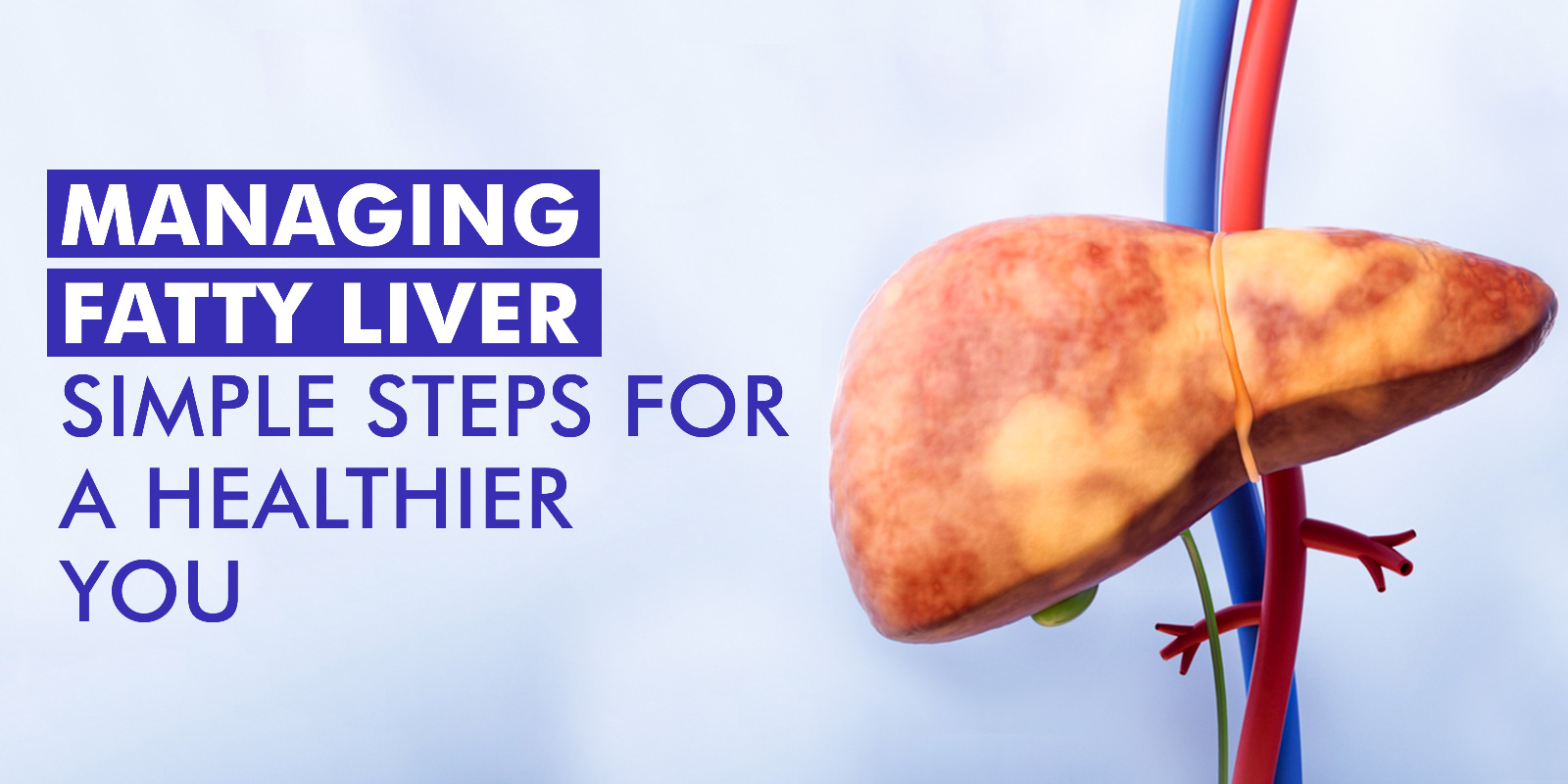
A blight that silently infiltrates the lives of millions, affecting nearly one in three adults and posing a significant risk to liver health and over wellbeing. This is the fatty liver disease. As prevalence of obesity and sedentary lifestyles rises, it’s time to shine a light on this hidden threat and explore its implications for our health.Fatty liver disease also known as hepatic steatosis, characterized by the excessive accumulation of fat in liver cells, more than 5-10% of the liver's weight.Grading Fatty Liver on the percentage of fat accumulation:Mild– Grade 1- 5%-33% fat retention.Moderate- Grade 2- 34%-66% fat retention.Severe- Grade 3- More than 66% fat retention.The progression of fatty liver disease is fueled by several interconnected processes:Raised influx of free fatty acids into the liver.Decreased fat oxidation which limits the breaking down of fatty acids.When the liver is unable to export triglycerides effectively, fat builds up within liver cells.TYPES OF FATTY LIVER DISEASE:Non-Alcoholic Fatty Liver Disease (NAFLD):(Metabolic dysfunction-associated steatotic liver disease -MASLD), it occurs in individuals who consume little to no alcohol, primarily associated with obesity, insulin resistance, and metabolic syndrome.Subtypes:Simple Fatty Liver (Steatosis): Accumulation of fat without inflammation or hepatic damage. This is mostly benign and often asymptomatic.Non-Alcoholic Steatohepatitis (NASH): A more severe form where fat accumulation is accompanied by inflammation and liver cell damage. NASH can progress to fibrosis and cirrhosis.Alcohol-Related Fatty Liver Disease (AFLD): This type arises from excessive alcohol consumption over time. It can progress through stages from simple fatty liver to alcoholic hepatitis and ultimately to alcoholic cirrhosis if alcohol intake continues.RISK FACTORS FOR DEVELOPING FATTY LIVER DISEASE INCLUDE:Obesity (particularly abdominal obesity).Diabetes mellitus type 2 (Insulin resistance).Elevated cholesterol and triglycerides levels.Unrestrained Alcohol Consumption: as ≥40g/day for men and ≥20g/day for women.Sedentary lifestyle.Certain medications, pregnancy complications, hypothyroidism, PCOS (polycystic ovarian syndrome) and genetic predispositions.SYMPTOMSMany individuals with fatty liver disease are asymptomatic, particularly in early stages. When symptoms do occur, they may include:FatigueUnease or aching in the upper right side of the abdomenUnexplained weight lossDark urine or pale stoolsYellowing of skin and eyes (icterus) in advanced casesDIAGNOSISTypically involves:Medical History and Physical assessment.Liver function tests to assess enzyme levels indicative of liver damage.Ultrasound, CT scans, or MRI that can visualize fat accumulation in the liver.Liver Biopsy- for monitoring the degree of inflammation and fibrosis.Lifestyle adjustments remain a cornerstone of fatty liver disease management alongside medications.· Weight loss improves liver function and slows fibrosis progression.· Diet low in saturated fats, added sugars, and refined carbs with healthy fats & lean proteins supports liver health.· Regular exercise reduces liver fat.· Controlling diabetes, high blood pressure, and high cholesterol lowers fatty liver risk.· Avoid alcohol completely in alcoholic fatty liver disease to prevent further damage.Homoeopathy offers a holistic approach aimed at addressing the root causes of the condition. It emphasizes individualized treatment, taking into account the unique symptoms and overall health of each patient.The homoeopathic medicines in fatty liver disease with different approaches like:1. Chelidonium MajusFullness or pain in the right upper abdomenConstipation and nausea, often with a yellowish coating on the tongueSymptoms worsen in morning.Helps in liver detoxification2. Lycopodium ClavatumDigestive issues and sluggish metabolism like bloating after meals, constipation, and a fullness in the abdomenAscites due to hepatic diseasesFeels better with warmthLiver enlargement and fat deposits.3. Carduus Marianus:HepatoprotectiveDull, aching & soreness in the right upper abdomen, with or without a feeling of fullness.Swelling and yellowing of the skin and eyes.4. Nux Vomica:Helps in digestive disturbances, related to overeating, indigestion, or alcohol consumption and improves liver function.CONCLUSION:Integrating homoeopathy with conventional care under the guidance of a doctor can provide a holistic approach in managing fatty liver disease and promoting overall health.BIBLIOGRAPHY:https://www.healthdirect.gov.au/fatty-liverhttps://www.healthline.com/health/fatty-liverhttps://emedicine.medscape.com/article/175472-overviewH.M.M.books

By : Dr. Khyati Chauhan

Understanding Menopause: A ....
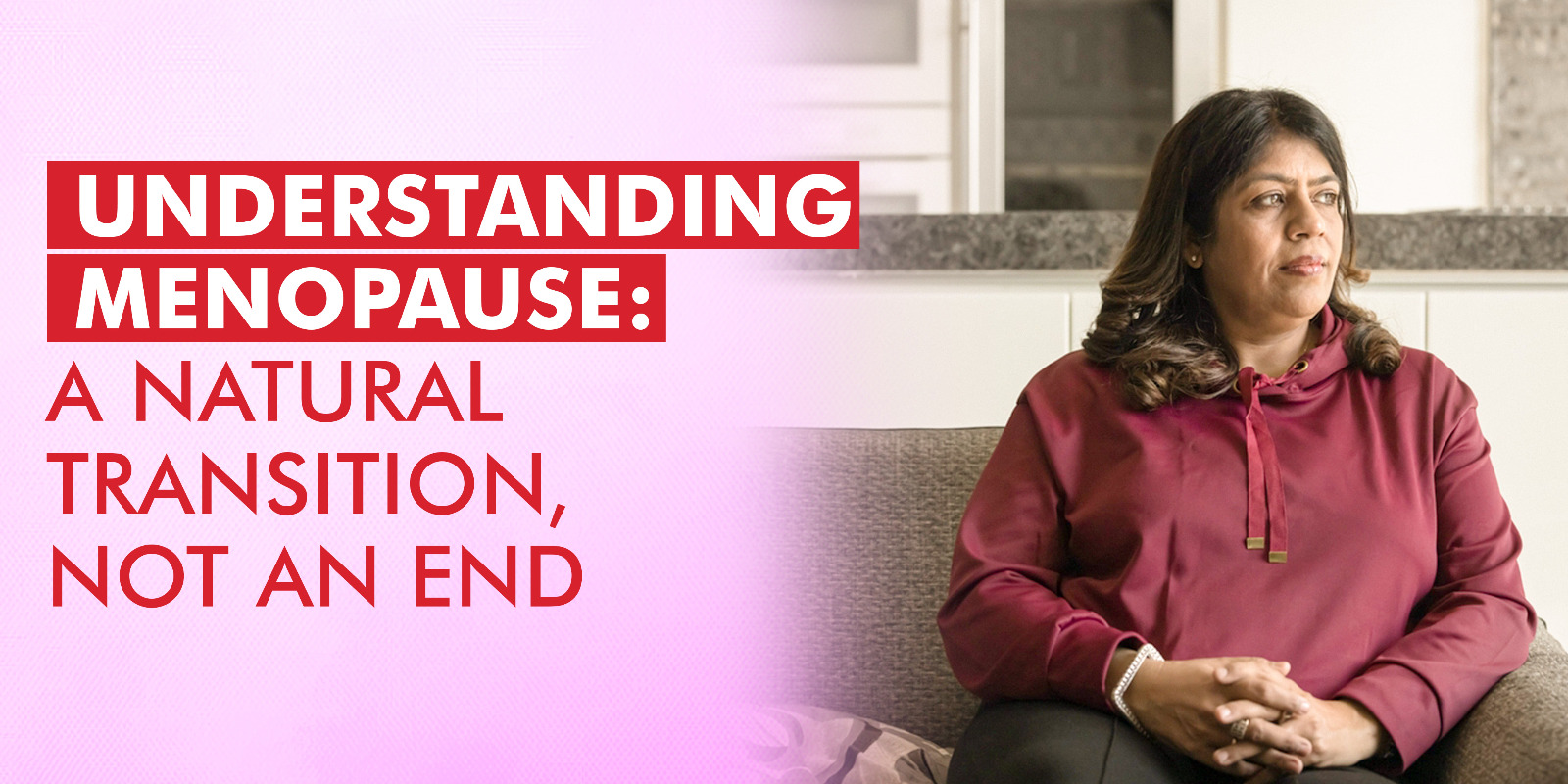
Menopause is a process that marks the end of a woman's reproductive years, typically occurring between ages 45 and 55. Despite being a universal experience, many women feel unprepared for the changes that come with it.  It is when periods stop completely for 12 consecutive months because the ovaries gradually reduce the production of the hormones estrogen and progesterone, which are responsible for regulating the period cycle and supporting reproductive process. As a result, conceiving is no longer possible. This hormonal transition can bring about a range of physical, emotional, and psychological changes.The process of menopause actually begins earlier, during a phase called perimenopauseI stage- This transitional phase before menopause, mostly starts in the late 30s to early 40s. The hormonal fluctuations cause changes in menstrual patterns, such as irregular periods, heavier or lighter flow, or skipped periods. Many women also begin to experience common symptoms likeHot flashesNight sweatsSleep disturbancesVaginal drynessWeight Gain and Changes in MetabolismMemory, concentration issuesAnxiety or depression related to aging, changes in their body and mood swingsThese symptoms occur because of the body's adjustment to lower levels of estrogenII stage- Once a woman has not had a period for 12 months, she is considered to be in menopause and indicates permanent stoppage of menstrual cycles. At this stage, the ovaries no longer release eggs, and the level of estrogen and progesterone drops significantly.III stage- This phase begins once period have completely stopped. During this time, the symptoms like hot flashes and night sweats subside, but some may still experience them for a while. Postmenopausal women have an increased risk of certain health conditions due to the lower levels of estrogen, such as osteoporosis (bone loss) and cardiovascular diseases and urinary incontinence or increased urinary infections. This is why maintaining bone health through weight-bearing exercises, a calcium-rich diet, proper hydration and possibly medication, along with monitoring heart health, is crucial.It's essential to approach menopause with awareness and support because the symptoms and changes it brings can sometimes be challenging. Speaking to a healthcare provider about managing symptoms if getting problematic, protecting long-term health, and addressing any concerns is key to move through this stage of life with confidence and grace.Is there anything need to know? Yes.While menopause typically occurs around age 50, early menopause happens when periods stop before the age of 40, leading to similar menopausal features but with earlier and often more profound health impacts. The reasons vary, from genetics and autoimmune diseases to medical treatments like chemotherapy or surgery that impact the ovaries. This can significantly reduces the number and quality of eggs a woman has in her ovaries and the natural decline in ovary function that happens as women age increases the risk of premature menopause.Also, Smoking harms bone density and raises the risk of fractures, partly because women who smoke tend to experience menopause earlier than non-smokers.The cessation of periods after age of 55, for some women considered as late menopause, often influenced by genetics and health factors. While it can have benefits like extended fertility and a lower immediate risk of bone loss, but it also carries risks related to prolonged estrogen exposure. And associated with late menopause and use of hormone replacement therapy (HRT) has been associated with an increased risk CA breast, ovarian cancer.
Logo

SUPPORT

SBL House 2, Commercial Complex, Shreshtha Vihar,New Delhi, 110092

+91-11-43731000, 22161935, 22165145, 22162239

8851654420

care@sblglobal.in,
E-commerce: onlinecare@sblglobal.in,
Export Support: exportcare@sblglobal.in

9:00 am – 5:30 pm from Mon. to Sat.
(Except Public Holidays)

Copyright © 2026 SBL E-commerce Pvt Ltd, All rights reserved